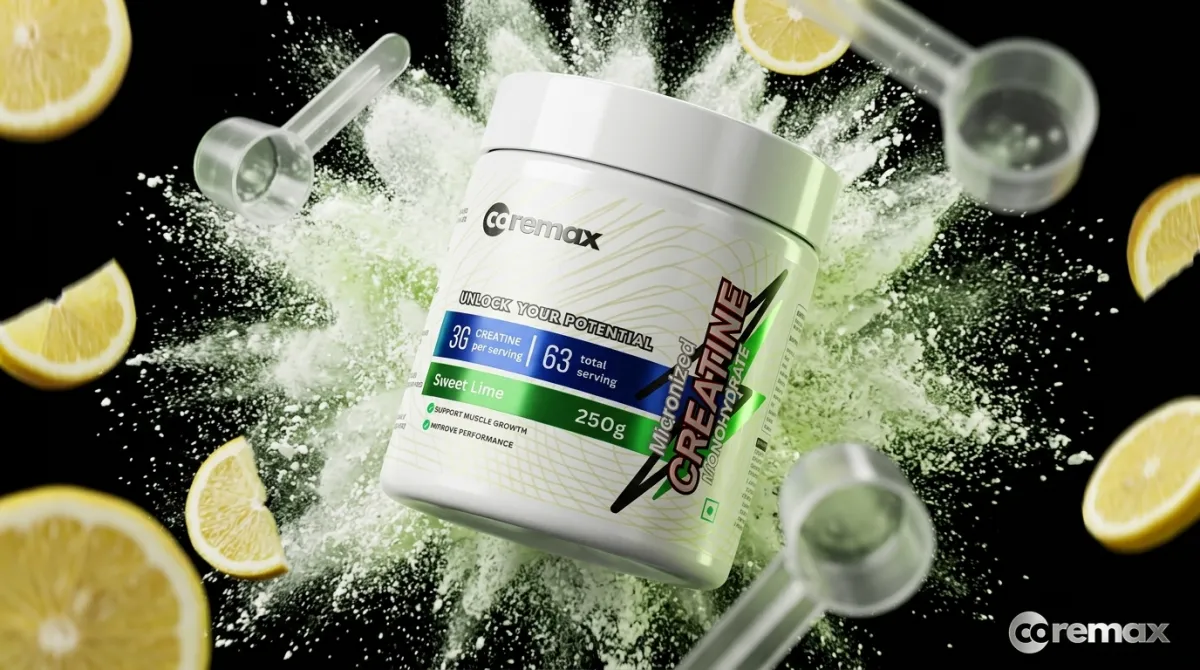

Creatine monohydrate is the most researched and affordable form of creatine.
Creatine is one of the most researched and trusted supplements in the fitness world — and for good reason. Whether your goal is to build muscle, lift heavier, or recover faster, understanding the benefits of creatine and how to use it correctly can make a noticeable difference. In this guide, we break down what creatine does, its key benefits, the right dosage, and the best time to take it.
What Does Creatine Do?
Creatine is a compound your body produces naturally and also gets from foods like red meat and fish. It's stored in your muscles as phosphocreatine, where it helps regenerate ATP — the main energy currency your muscles use during short, intense efforts like lifting weights or sprinting.
In simple terms, creatine helps your muscles produce more energy when you need it most. That extra energy lets you push out a few more reps, lift slightly heavier, and train harder over time — which is exactly what drives muscle and strength gains.
Key Benefits of Creatine
The benefits of creatine go well beyond just "getting bigger." Here's what consistent use can offer:
1. Increased strength and power. Creatine improves performance in high-intensity, short-duration activities. Most people see meaningful gains in their lifts within a few weeks.
2. Faster muscle growth. By allowing you to train harder and recover better, creatine supports lean muscle development over time. It also pulls water into your muscle cells, which can aid the muscle-building process.
3. Better workout recovery. Creatine may help reduce muscle damage and inflammation after intense sessions, so you bounce back faster between workouts.
4. Improved high-intensity performance. From sprinting to HIIT to heavy compound lifts, creatine is most effective for explosive, repeated efforts.
5. Potential cognitive support. Emerging research suggests creatine may also support brain function, especially during periods of fatigue or sleep deprivation.
These advantages make creatine valuable not just for bodybuilders, but for anyone serious about training — including beginners.

Creatine helps you train harder, lift heavier, and recover faster.
Creatine Uses: Who Should Take It?
One of the best uses of creatine is as a foundational supplement for almost any active person. It suits:
- Gym-goers wanting to build muscle and strength
- Athletes in power and sprint-based sports
- People returning to training after a break
- Older adults looking to maintain muscle mass and strength
Creatine monohydrate is the most studied and cost-effective form, and it's the one most experts recommend. You don't need fancy or expensive versions to see results.
How to Take Creatine
Taking creatine is straightforward — there's no complicated routine required. Simply mix it with water, juice, or your protein shake and drink it.

Mix 3–5 grams of creatine into water or your protein shake — simple and effective.
You have two common approaches:
Loading phase (optional, faster results): Take around 20 grams per day, split into 4 doses of 5 grams, for the first 5–7 days. This saturates your muscles quickly. After that, drop to a maintenance dose.
No loading (slower but simpler): Just take 3–5 grams per day from the start. Your muscles will fully saturate in about 3–4 weeks. This approach is gentler on the stomach and just as effective in the long run.
Consistency is what matters most. Creatine works by building up in your muscles over time, so take it every day — including rest days — not just on training days.
How Much Creatine Per Day?
For most people, 3 to 5 grams per day is the ideal maintenance dose. There's no need to take more than that on a daily basis; your muscles can only store so much, and extra creatine is simply passed out of the body.
Larger individuals or those with more muscle mass may lean toward the 5-gram end, but 3–5 grams covers the vast majority of users.
Best Time to Take Creatine: Before or After Workout?
A common question is whether you should take creatine before or after your workout. The honest answer: timing matters far less than consistency.
That said, research slightly favors taking creatine after your workout, possibly paired with a meal or protein shake containing carbs, which may help with absorption. On rest days, the time of day doesn't matter at all — just take your daily dose whenever you'll remember it.
So if you're wondering when to take creatine: pick a time you can stick to every day. Post-workout is a solid default, but the most important thing is that you don't miss doses.
Tips to Get the Most From Creatine
- Stay hydrated. Creatine draws water into your muscles, so drink plenty throughout the day.
- Be patient. Real results show over weeks of consistent use, not days.
- Pair it with training. Creatine amplifies the work you do in the gym — it isn't a substitute for it.
- Stick with monohydrate. It's proven, affordable, and effective.
Frequently Asked Questions
Is creatine safe?
For healthy individuals, creatine monohydrate is considered safe and is one of the most well-studied supplements available. If you have a medical condition, consult a doctor first.
Do I need to cycle creatine?
No. You can take creatine continuously without cycling on and off.
Can beginners take creatine?
Yes. Beginners can benefit just as much as experienced lifters.
Will creatine work without exercise?
Creatine supports performance during training. Without consistent exercise, you won't see the strength and muscle benefits.
Final Thoughts
The benefits of creatine — more strength, better muscle growth, and faster recovery — are backed by decades of research, making it one of the smartest additions to a serious training routine. Keep it simple: take 3–5 grams of creatine monohydrate every day, stay consistent, and pair it with hard, regular workouts. Do that, and you'll be using creatine exactly the way it's meant to be used.
This article is for informational purposes only and is not medical advice. Consult a healthcare professional before starting any new supplement.